The image we have of the past is also significantly shaped by historical films. What is shown in them, but also what is not shown, contributes decisively to how we visualize the past in our individual and collective imaginations
The importance of film for the collective memory of a society cannot be overestimated. Filmmakers‘ knowledge or ignorance of everyday life, economic, social, and cultural history is therefore crucial to the authenticity of a scene or to creating a false and thus distorted image.
In the following, we will therefore examine a few historical phenomena and facts that have largely or completely disappeared from the collective memory of society, which for this very reason are no longer present in the consciousness of filmmakers, and which, due to their inevitable lack of visualization, continue to reproduce an image of times past that is, at best, incomplete, in many cases inaccurate, and, at worst, even distorts history.
Nazi Germany 1933-1945
Many German and international films deal with the Nazi era.
Many of these films also display a remarkable consistency in terms of very specific gaps, which in turn are highly problematic.
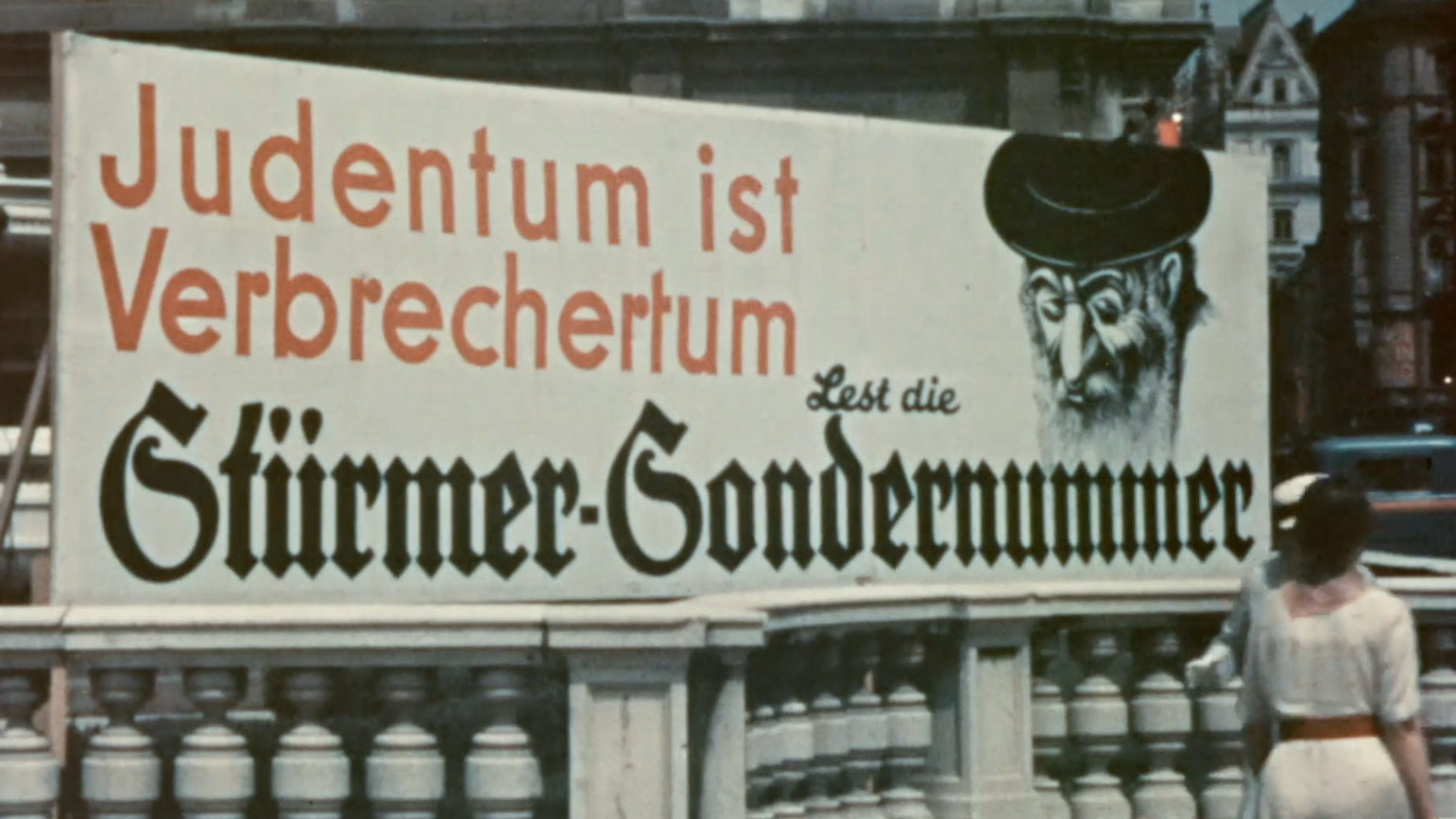
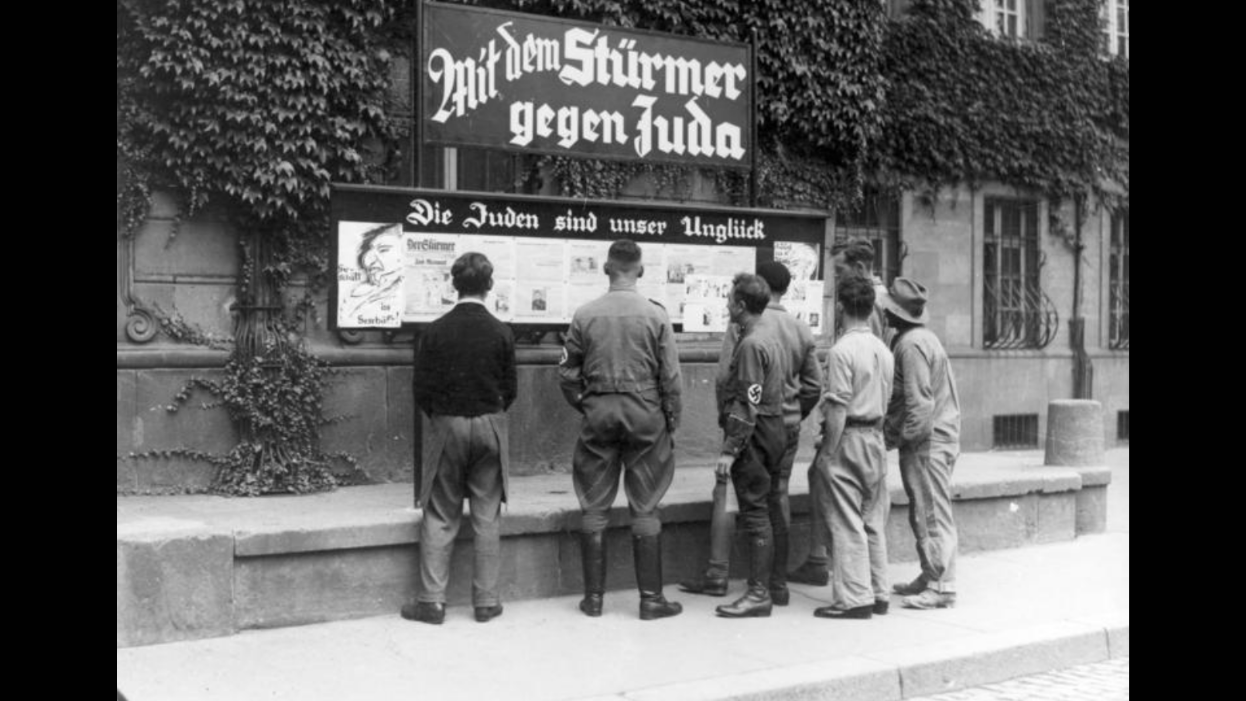
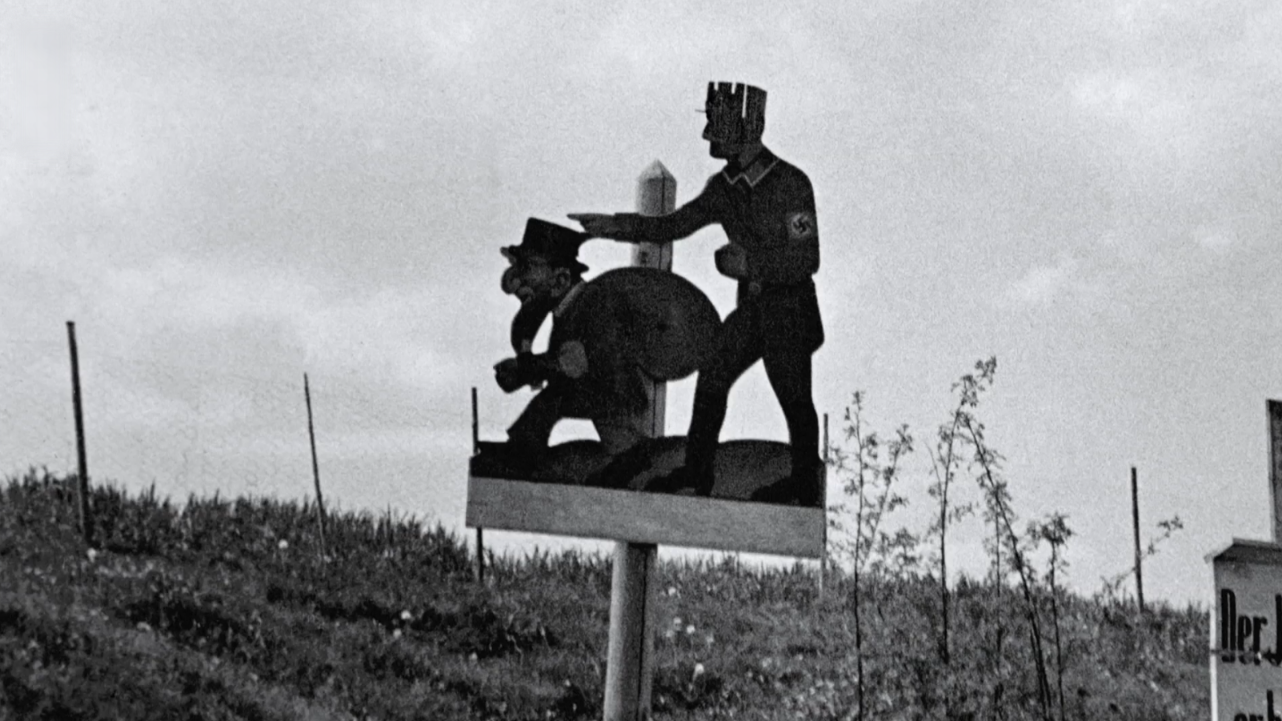
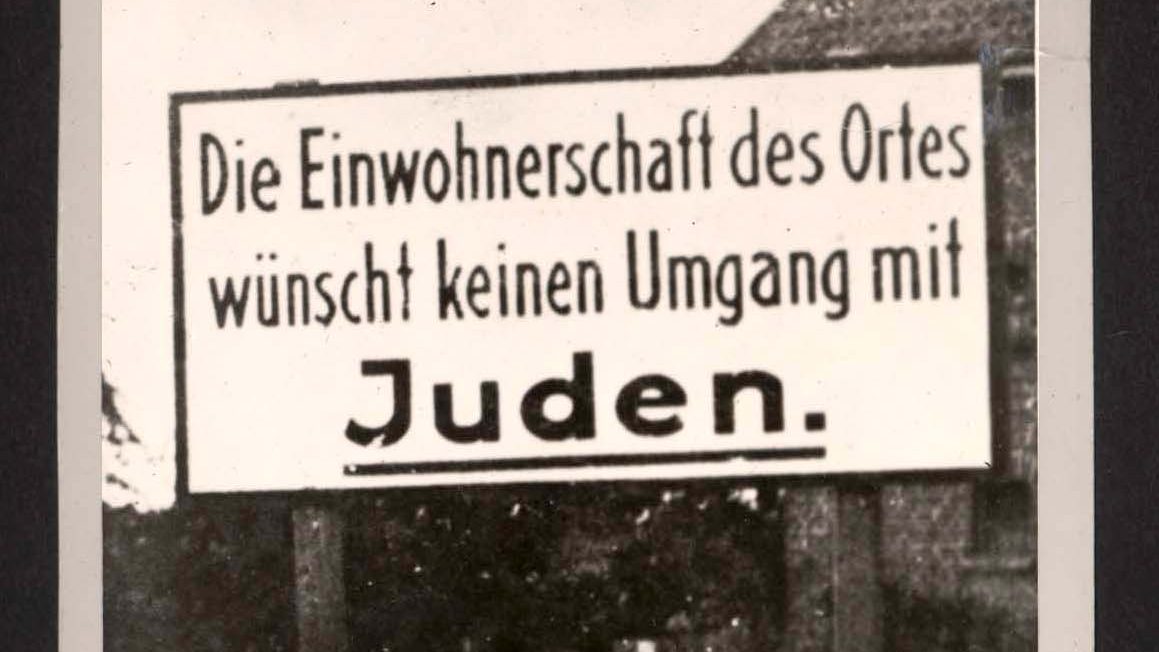
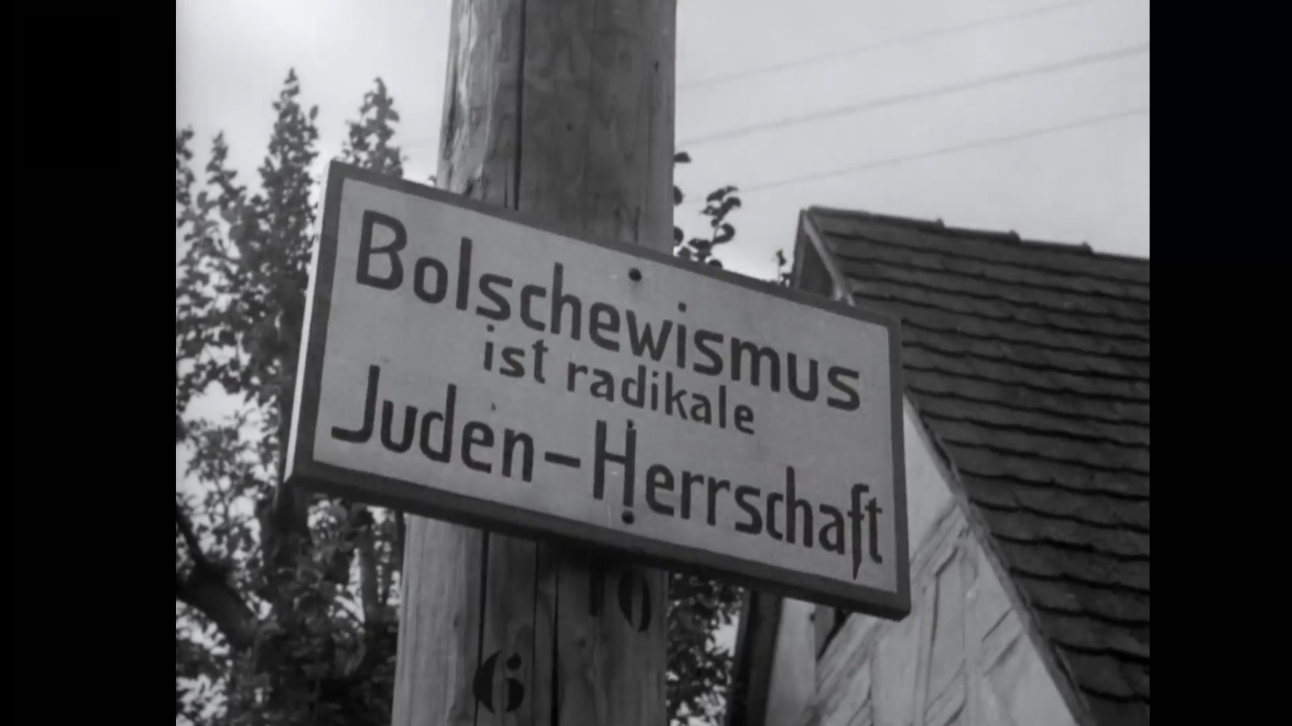
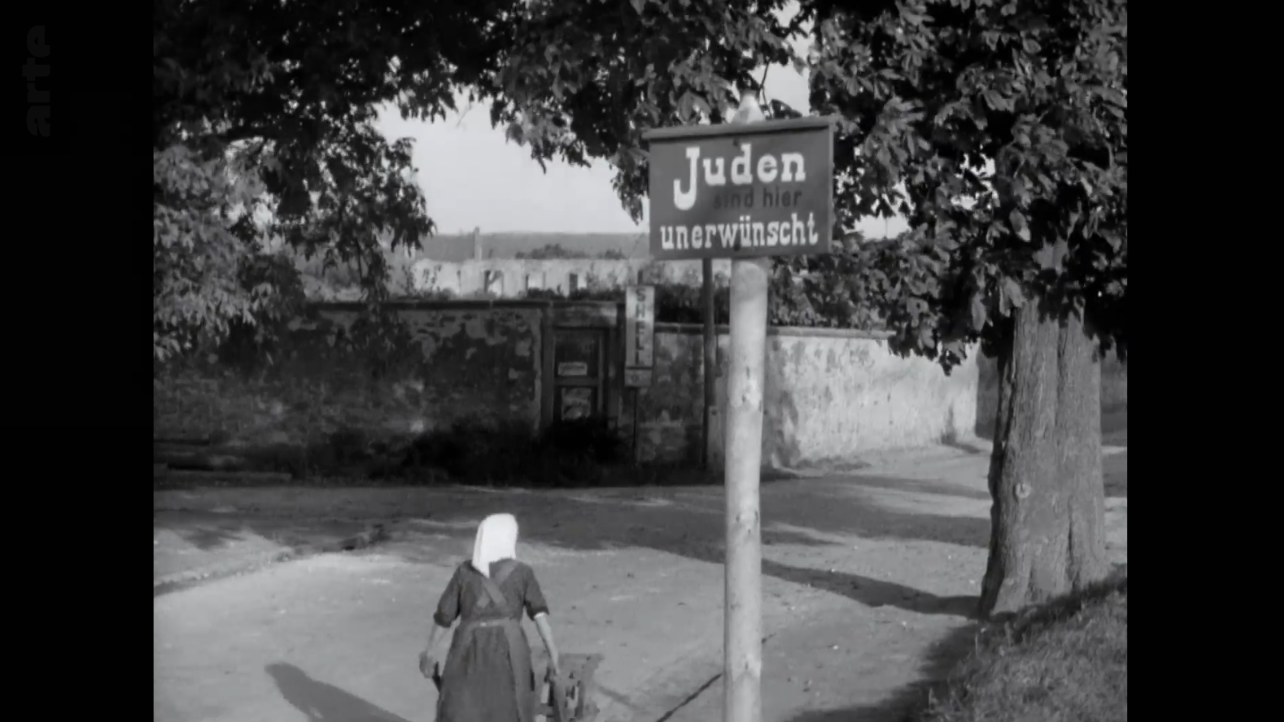
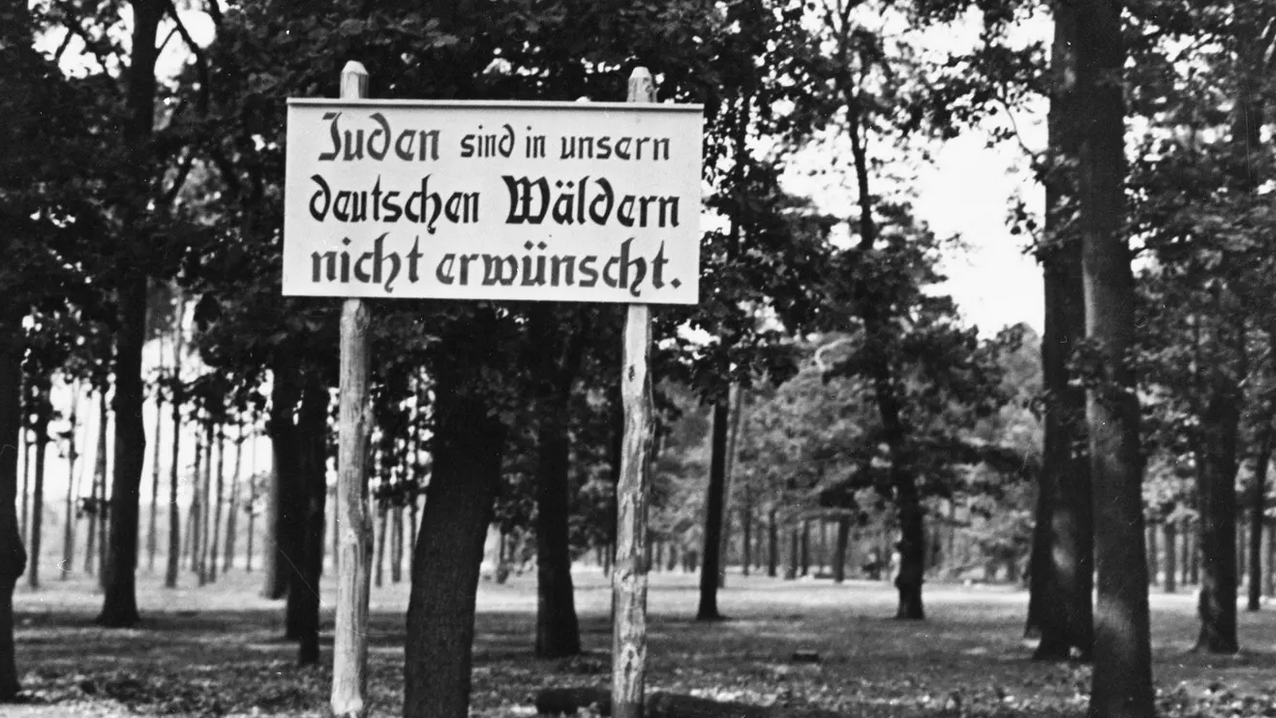
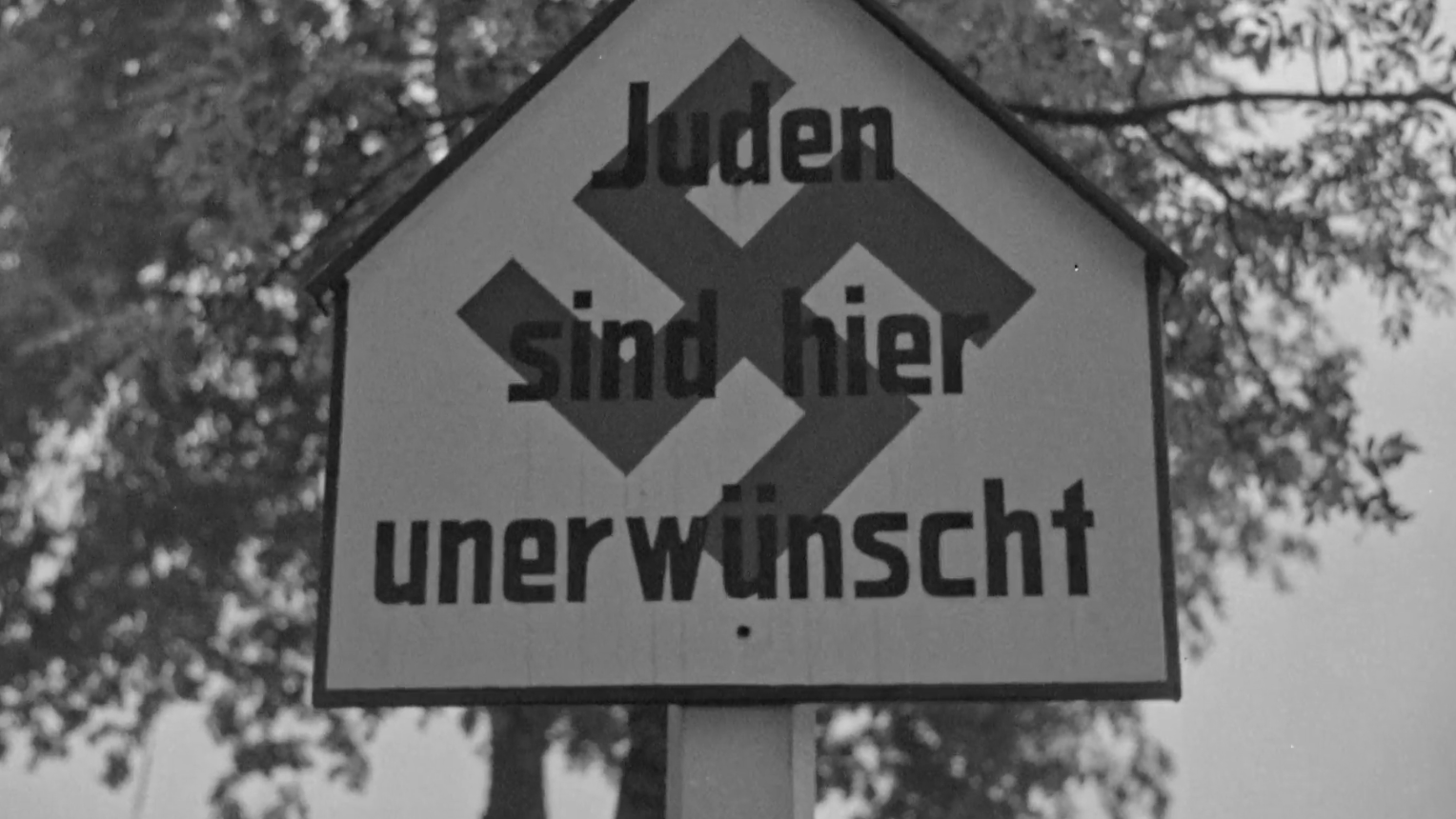
On the one hand, the anti-Semitic propaganda that was omnipresent in public spaces during the Nazi reign of terror remarkably hardly ever appears in the background of German or international feature films about the Nazi era.
At the same time, storm boxes and signs with the inscription „Juden sind an diesem Ort unerwünscht“ („Jews are not welcome here„) or prohibition signs forbidding Jews, but also Sinti and Roma, from staying in certain places such as parks or using benches were omnipresent during the Nazi dictatorship.
However, this ultimately leads to the visual de-ideologization and idyllization of places that were highly charged with ideology at the time – whether consciously or unconsciously – when they are falsely and downright misleadingly depicted as looking no different than they did in 1930 or 1950, for example, except for a few swastika flags.
Advertisement for the anti-Semitic hate publication "Der Stürmer." In: Die Shoah in den Ghettos (The Shoah in the Ghettos). 00:04:58
Stürmerkasten (Reading box containing the anti-Semitic hate publication "Der Stürmer") . Bundesarchiv, Bild 133-075 / photographer: not specified / Licence CC-BY-SA 3.0
Anti-Semitic figurine display: An SA man chases away a caricatured Jew. In: The USA and the Holocaust 2/6. The Gateway to Freedom. The period before 1938. 00:14:49
Anti-Semitic sign. Image rights: Yad Vashem, FA120/11
Anti-Semitic sign. In: The USA and the Holocaust 2/6. The gateway to freedom. The period before 1938. 00:31:00
Anti-Semitic sign. In: The USA and the Holocaust 2/6. The gateway to freedom. The period before 1938. 00:31:02
Anti-Semitic sign. Photo: Eugen Heilig. In: Neue Zürcher Zeitung. The historical image. The German forest is not for everyone. April 20, 2024.
Anti-Semitic sign. In: The Night of Shame. November pogroms of 1938. Part 1. 00:21:36
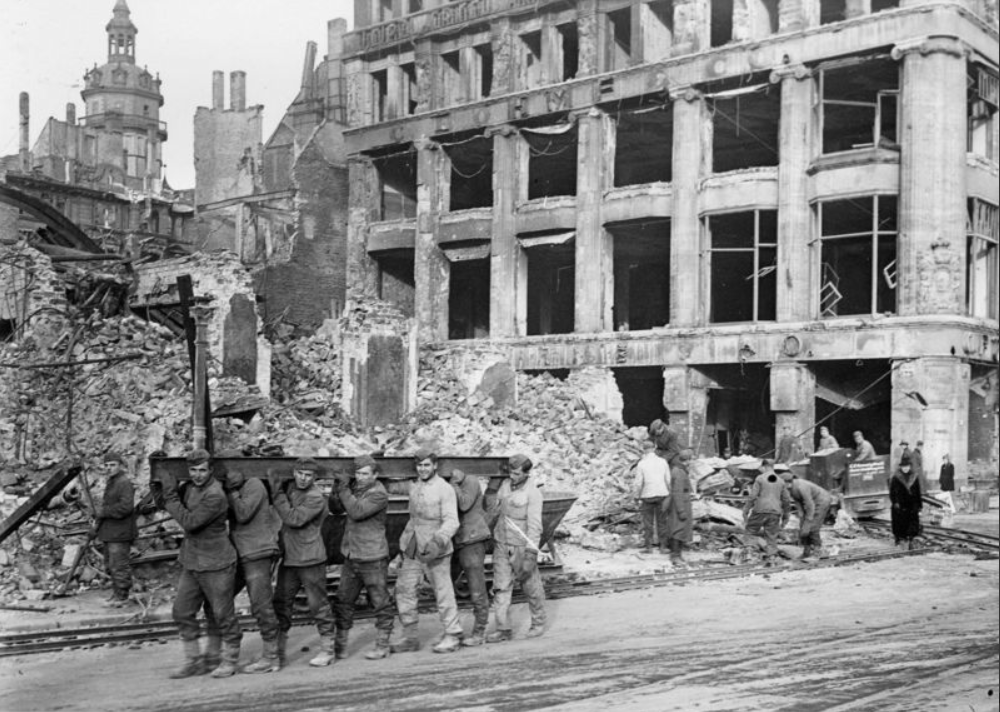
The same applies to forced labor, which was equally omnipresent in the second half of the war and was performed by prisoners of war, concentration camp inmates, or people deported for forced labor. Thirteen million people were forced to perform forced labor within the territory of the German Reich, and another 13 million people were forced to perform forced labor in Nazi-occupied Europe. This work in factories or in agriculture, but also in clearing rubble after bombings and the life-threatening defusing of unexploded bombs, is equally invisible in most feature films.
The problem here is that these films often take and present the perspective of so-called ordinary Germans, who, without the anti-Semitic agitation that was evident everywhere at the time and without the forced labor that was obvious to all Germans, can be portrayed as victims of the times and circumstances, who supposedly had no contact with and therefore supposedly no part in the crimes of the Nazi regime.
However, contemporary photographs and film footage clearly prove that the exoneration of supposedly apolitical and ostensibly normal Germans who were allegedly not involved in the crimes of the Nazi regime, which these films carry out—implicitly and certainly unintentionally, but nevertheless factually—is historically untenable.
Leipzig, Augustusplatz/Grimmaische Straße, clearing rubble, Soviet prisoners of war clearing up, 1943, photographer: Georg Zschäpitz, usage rights: Leipzig City Archives, StadtAL, 0563 (Fotosammlung), Nr. 19853